Quick links:
Skin cancer remains one of Australia’s most significant health concerns, with the Cancer Council reporting that two in three Australians will be diagnosed by the age of 70. Here in Western Australia, where sunny days, outdoor work and weekends outside are simply part of life, that risk is even higher.
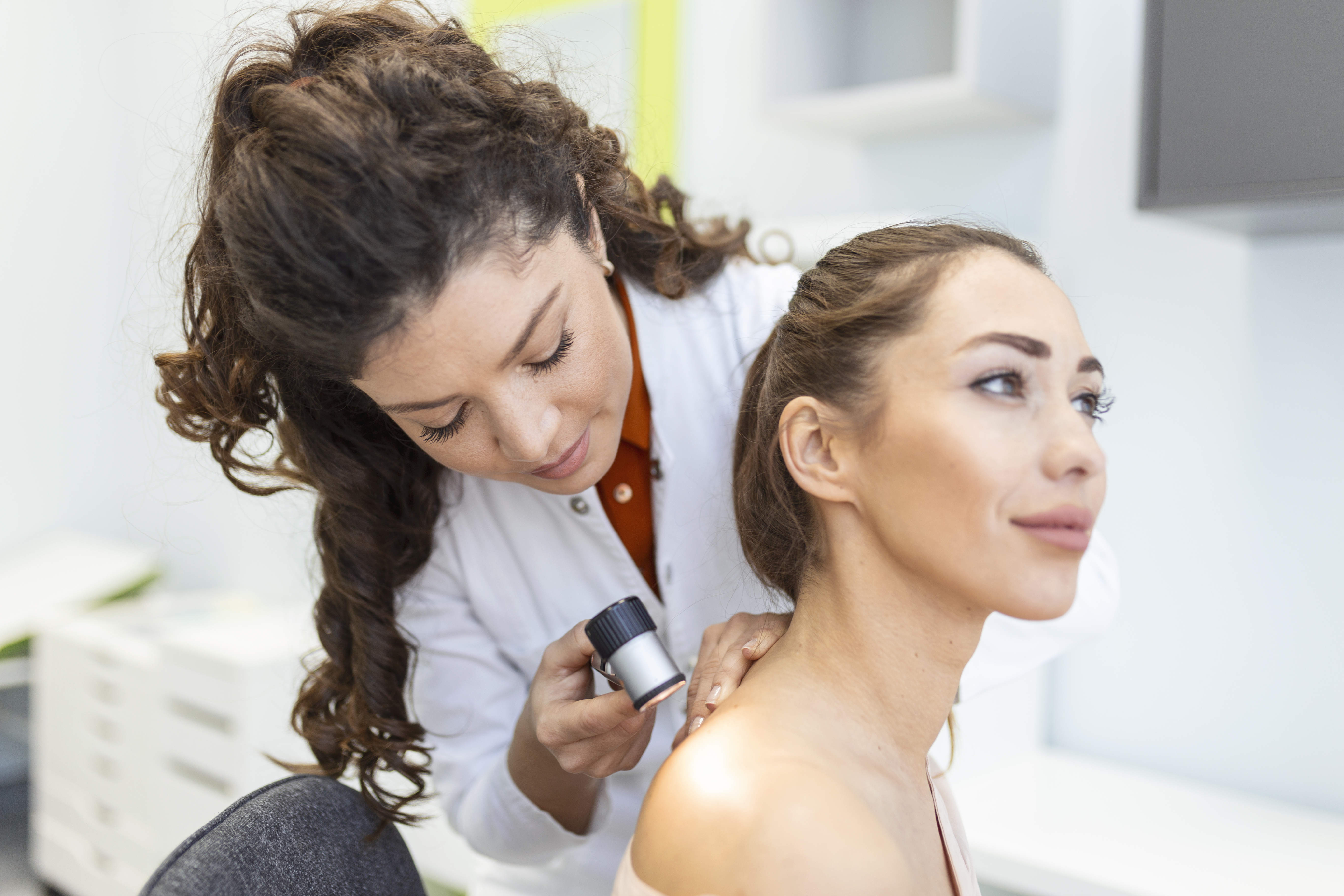
Most of us know we should be checking our skin regularly, but actually making the time can be another story. Between work, family, travel and everything else that fills the week, skin checks often fall to the bottom of the list. If you live in regional WA or work a FIFO roster, distance and limited appointments can make it even harder to stay on top of things.
This is why HIF is excited to introduce a new partnership with SkinVision, a digital tool to help monitor skin health. Through this partnership we are giving members a simple way to keep an eye on their skin from home and understand when something might need a closer look.
In the following article, we will take a closer look at why skin cancer is so common in Australia, what causes it, how early detection works and how digital tools like SkinVision can support you in looking after your skin health.
Australia continues to record some of the highest skin cancer rates in the world, and melanoma is one of the most commonly diagnosed cancers in younger Australians. According to Cancer Australia, more than 17,000 Australians are diagnosed with melanoma each year, which highlights just how common this disease has become across the country.
There are several reasons why skin cancer is such a major health burden here, especially in WA. Our UV levels are extreme for much of the year, and our clear skies and low pollution mean more UV reaches the ground. Many West Australians also work in outdoor environments such as mining, construction, agriculture and transport, often spending long hours in the sun without realising how much exposure they are accumulating. Even simple everyday activities like driving, exercising or running errands can add to that lifetime dose of UV. Australia’s long standing tanning culture has also played a role in normalising sun exposure over the decades.
While sunscreen, hats and protective clothing help reduce risk, regular skin checks continue to be one of the most important steps in detecting skin cancer early. This is where digital tools, like SkinVision, can make a meaningful difference, helping people stay consistent and more aware of changes in their skin between professional check-ups.
Digital health is transforming the way Australians look after themselves. Many of us already rely on apps to count our steps, monitor our sleep or track our heart rate, and this shift has made health monitoring feel more accessible and more in tune with everyday life. Skin health is now becoming part of this movement too, bringing early detection tools directly into people’s hands instead of waiting for traditional appointments.
Of all the conversations happening around AI and what it means for the future, skin health is one area where we can already see its impact in a positive light. When used well, technology can support early detection, guide decision making and help people stay more connected to their wellbeing.
Tools like SkinVision use AI to analyse photos of skin spots and help identify changes that might need a closer look. This kind of technology is changing the way people approach skin checks by removing some of the barriers that make them easy to postpone. For someone living in regional WA, working FIFO or juggling a busy household, being able to scan a spot from home or on the go can make a real difference. It offers a simple and practical way to stay engaged with your skin health, helping you notice changes sooner and feel more confident about when to seek medical advice.
To make early detection more accessible, HIF has partnered with SkinVision to give eligible members a complimentary 12 month subscription. It is a simple way to keep skin health on your radar without needing to wait for an appointment. Members aged 18 or older with active Extras, Hospital or Combined cover can activate their subscription using the promotional code found in the HIF Online Member Centre. This Partnership commences on 1 December 2025 and is available through until 1 December 2026.
By offering SkinVision as part of your membership, HIF is supporting a more proactive approach to health. It helps you stay aware of changes in your skin and encourages earlier conversations with your GP or dermatologist. The tool is designed to sit alongside the clinical care already available through HIF cover, giving you more clarity and confidence between routine skin checks.
SkinVision is built to be straightforward, even if you have never used digital health tools before.
- Download the SkinVision app on your smart device.
- Select “Get started”, enter your details and add your HIF promo code.
- Take a clear, well lit photo of the spot you want to check.
- Receive an assessment that indicates whether the spot is low risk, low risk with symptoms to track or high risk.
SkinVision uses clinically validated AI technology with sensitivity above 90 percent and is supported by a panel of dermatologists. Each scan is saved in your account, which makes it easier to look back, notice changes and share the images with a health professional if needed. It is a practical way to stay engaged with your skin health from one check to the next.
Even with digital tools available, it is still important to know what to look for on your own skin. Recognising early warning signs can make a meaningful difference, especially in a place like WA where sun exposure adds up quickly. According to Cancer Council Australia, some of the key changes to stay aware of include:
- new moles or spots
- changes in size or shape
- uneven borders or colours
- itching, bleeding or crusting
- sores that do not heal
The ABCDE rule is a simple way to remember what might need attention. It stands for Asymmetry, Border irregularity, Colour variation, Diameter greater than 6 millimetres and Evolving appearance. Anything that looks different to your other spots or begins to change over time is worth noting.
SkinVision can support your awareness by helping you keep track of these changes, but it does not diagnose skin cancer. If something looks unusual or continues to worry you, the safest step is to see a medical professional for a proper assessment.
Skin cancer outcomes are significantly better when it’s found early. According to the Cancer Council Australia, cancers like melanoma are most treatable when they are still confined to the outer layer of the skin.
By the time melanoma spreads to lymph nodes or other parts of the body, treatment becomes more complex — and so does recovery.
In Western Australia, where hours spent below the sun are high and outdoor occupations are common, early detection is especially critical. Whether you’re working on a mine site, driving long shifts or playing weekend sport, regular self-check habits can make a meaningful difference.
The Cancer Council notes that a new or changing spot is often the first sign, a prompt to act rather than wait.
Digital tools like SkinVision encourage consistent monitoring between annual dermatologist visits, helping tradespeople, regional residents and busy families catch changes early.
Because early stage melanoma can often be removed with minimal treatment, staying alert and proactive is one of the best strategies. The SkinVision and HIF partnership gives members a modern way to stay engaged, educate themselves and take control of their skin health before something becomes serious.
HIF’s approach to skin health is built around prevention, early action and informed decision making. Depending on your level of cover, members may be able to access:
- dermatologist consultations and referrals
- skin checks and medically required mole removals
- GP and telehealth appointments for early assessment
- Extras benefits that support preventative wellness services
The SkinVision partnership strengthens this support by giving members an accessible way to track their skin health from anywhere, whether they are on a jobsite, travelling or relaxing at home.
Digital healthcare continues to evolve, and skin health is part of that transformation. SkinVision puts a powerful tool directly in the hands of members, helping them stay proactive, confident and engaged with their wellbeing.
Whether you are heading to the beach, clocking up hours outdoors at work, or spending time travelling across WA, having an easy way to check your skin can make all the difference. HIF is proud to support members with technology that helps prevent illness, detect concerns earlier and makes healthcare more accessible.
- How often should I get a skin check?
Most adults benefit from an annual professional skin check. Those with higher risk factors, such as a family history of melanoma or extensive sun exposure, may need more frequent checks.
- How do I perform a skin self check?
Check your whole body in good lighting, including your scalp, back and feet. Look for new spots or changes over time. SkinVision helps you capture and monitor these changes so you can seek professional advice sooner.
- When should I see a doctor?
See a doctor if a mole or lesion is changing, bleeding, itching, crusting or not healing. If SkinVision identifies a high risk assessment, book a medical appointment as soon as possible.
- Does SkinVision replace dermatologist appointments?
No. SkinVision supports early awareness and helps you keep track of changes, but all suspicious spots should be assessed by a health professional.
- How does HIF support skin cancer prevention?
HIF offers access to dermatology, GP services, preventative benefits and clinically required procedures depending on your cover. SkinVision complements this by helping members stay engaged with their skin health year round.