Quick links:
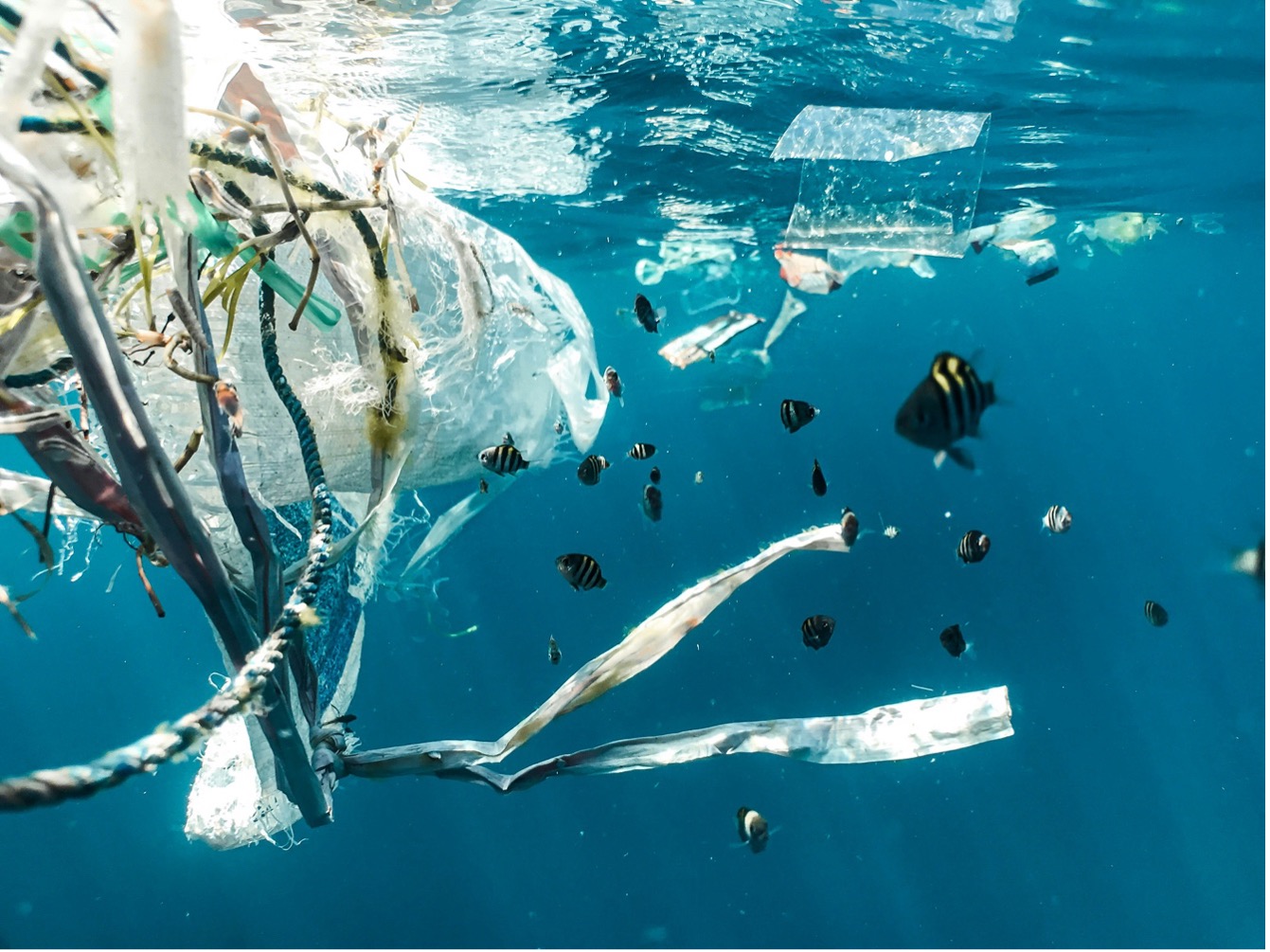
When most of us think about plastic pollution, we picture the obvious stuff first. Bottles washed onto beaches, takeaway containers floating through waterways, or supermarket bags caught in trees after a windy day. Australia has become increasingly aware of the environmental impact of visible plastic waste, particularly on marine life and coastal ecosystems.
But plastic pollution does not disappear once larger items break down. Over time, many plastics fragment into tiny particles known as microplastics. These particles are often invisible to the naked eye, yet they are now being detected in oceans, rivers, soil, household dust, wildlife and food systems across the globe. Scientists are still working to fully understand the long term implications, but the growing presence of microplastics has shifted plastic pollution from a purely environmental issue into a broader health and lifestyle conversation.
Unlike a discarded bottle on the beach, microplastics are harder to notice because they are woven into modern life itself. They can come from clothing, tyres, furniture, packaging, cosmetics and countless everyday products we rarely think twice about using.
In this article, we explore what microplastics are, where they come from, how they move through the environment, and why the conversation around plastic pollution has become far more complex than litter alone.
Microplastics are very small plastic particles, generally less than five millimetres in size. Some are manufactured intentionally at microscopic sizes, while others form gradually as larger plastics degrade through sunlight, heat, ocean movement or physical wear.
Researchers typically divide them into two categories:
Primary microplastics
These are plastics intentionally produced in tiny sizes for industrial or commercial use. Historically, they were commonly used in cosmetics, exfoliating scrubs and cleaning products, although bans in several countries have reduced their use.
Secondary microplastics
These form when larger plastic products slowly break apart over time. A plastic water bottle left in the environment for years, for example, does not disappear entirely. Instead, it fragments into increasingly smaller pieces.
What surprises many people is how many everyday activities contribute to microplastic release.
Common Source | Example |
|---|
Synthetic clothing fibres | Fibres shed during washing |
Tyre wear | Particles released from cars and trucks |
Plastic packaging | Food wrappers and packaging materials |
Artificial turf | Sports surfaces and synthetic grass |
Household dust | Dust from carpets and upholstery |
Marine waste | Degraded fishing gear and ocean plastic |
Paint coatings | Paint particles and industrial materials |
Disposable hygiene products | Wipes and personal care products |
Tyre particles are now considered one of the largest sources of microplastic pollution in urban environments. Likewise, synthetic fabrics such as polyester, nylon and acrylic release microscopic fibres every time they are washed. This is one reason microplastics have become so widespread. They are not coming from one single product or industry. They are being generated constantly through normal modern living.
One of the challenges with microplastics is that exposure can happen in ways most people would never consciously notice. Researchers have identified several common pathways through which microplastics move through the environment and into human daily life:
- Air
- Water
- Food systems
- Household dust
- Consumer products
Indoor environments are increasingly becoming an area of interest because people spend so much time inside homes, offices, schools and vehicles. Tiny synthetic fibres released from carpets, curtains, furniture and clothing can accumulate in household dust, where they may then circulate through the air. Some researchers now believe indoor dust may be one of the more consistent everyday exposure sources simply because modern life is spent so heavily indoors.
Plastic exposure is not always obvious either. Synthetic materials can also appear in everyday products such as activewear, cosmetics and some menstrual products, highlighting how embedded plastics have become in modern routines.
Urban environments also play a role. Busy roads release tyre particles into surrounding air and waterways, while stormwater systems can carry fragmented plastics into rivers and oceans. Tyre wear is now considered one of the largest sources of microplastic pollution in many urban areas.
In marine environments, fish and shellfish can ingest microplastics indirectly through the food chain. Scientists are continuing to study how these particles move through ecosystems and whether they may transport other environmental pollutants along the way.
Importantly, the conversation around microplastics is not about fear or eliminating every plastic item from daily life. Plastic remains deeply embedded in healthcare, food safety, transport and countless practical uses. The bigger issue is awareness. Many people simply do not realise how frequently plastics shed microscopic particles during ordinary use.
While researchers now know microplastics are widespread in the environment, the bigger question is what long term exposure may mean for human health. This is where much of the current scientific research is focused.
According to Western Australia Department of Health, scientists are investigating whether very small plastic particles may contribute to inflammation, oxidative stress and disruptions to normal biological processes within the body. There is also growing interest in whether nanoplastics, which are even smaller than microplastics, may be capable of crossing biological barriers and entering tissues or organs.
One of the biggest areas of concern for many people is hormonal health. Some plastics contain or absorb chemicals that are being studied for their potential role as endocrine disruptors. The endocrine system is responsible for producing and regulating hormones that influence metabolism, growth, fertility, mood, development and reproduction. Researchers are examining whether certain chemicals associated with plastics could interfere with these hormonal processes over time.
This has become a growing public health conversation because hormonal health already affects so many areas of everyday wellbeing, from fertility and reproductive health to thyroid conditions, energy levels and menopause symptoms. While research into microplastics and endocrine disruption is still developing, it has contributed to broader discussions around reducing unnecessary exposure to environmental toxins where possible.
Scientists are also exploring:
- whether microplastics may trigger inflammatory responses in the body
- how particles behave once ingested or inhaled
- whether plastics can carry bacteria or other pollutants
- the cumulative effect of repeated low level exposure over long periods
- how exposure may differ between adults, children and developing infants
Importantly, major health organisations including the World Health Organization continue to stress that evidence around direct human health impacts remains limited and is still evolving. That uncertainty is important. It means there is no need for panic or rush to extreme “detox” approaches, but there is value in staying informed and supporting practical habits that reduce unnecessary plastic exposure where realistic. As research continues, microplastics are becoming part of a much larger conversation about environmental health, sustainability and how modern lifestyles may shape long term wellbeing.
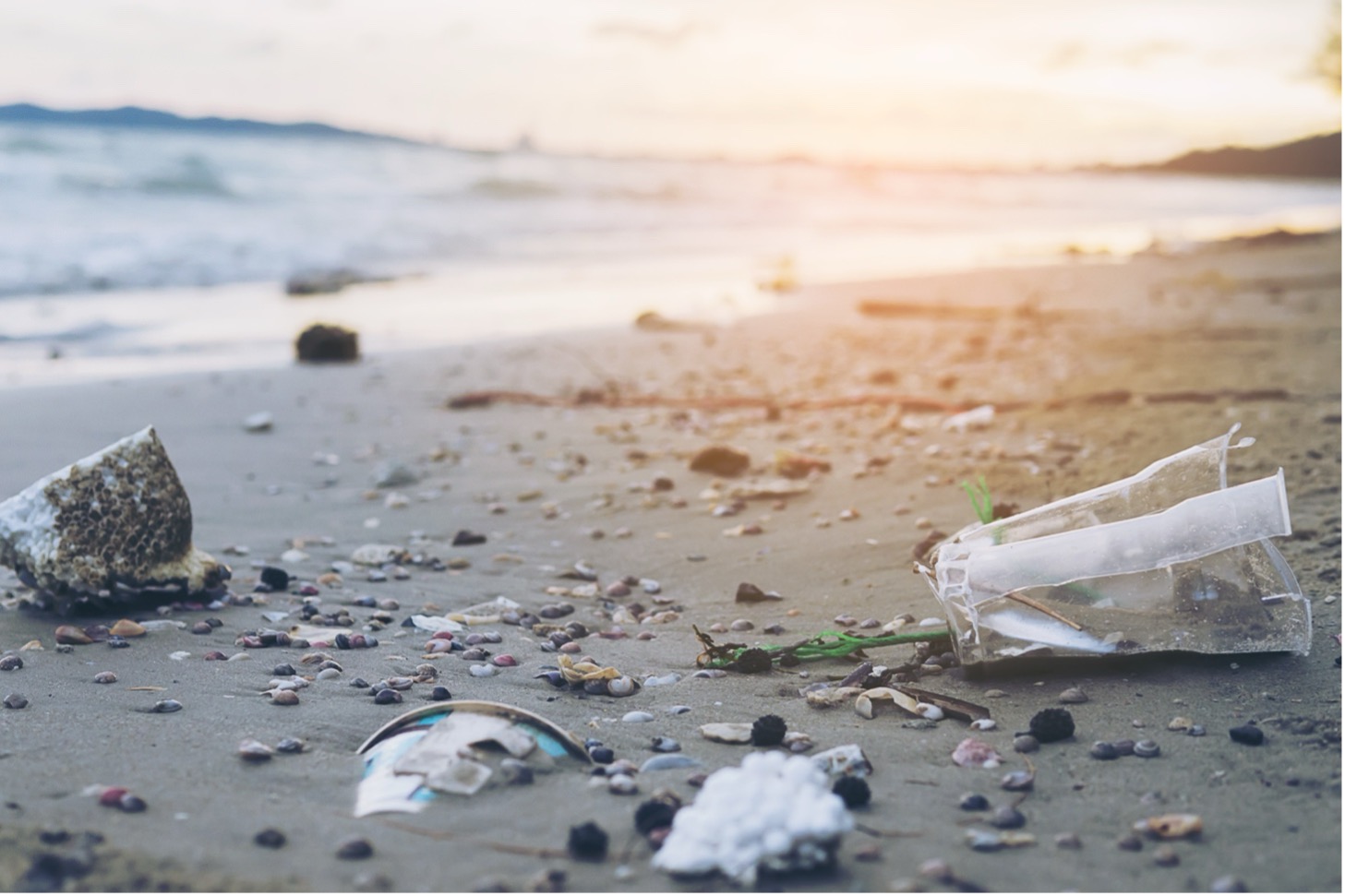
Microplastics are also part of a much larger environmental challenge tied to how modern societies produce, consume and dispose of plastic. From single use packaging and synthetic clothing to disposable convenience products, plastics have become embedded in everyday systems and habits.
According to the Department of Climate Change, Energy, the Environment and Water, Australian governments, industry groups and environmental organisations all recognise the need to reduce problematic and unnecessary plastics due to their impact on waste streams, waterways, ecosystems and long term environmental health.
This is one reason the conversation around microplastics has grown so quickly in recent years. It connects personal wellbeing with broader environmental issues, highlighting how the health of people and the health of the environment are often closely linked. While no one person can solve plastic pollution alone, small everyday choices can still contribute to wider change. Reducing unnecessary single use plastics, reusing containers where practical and supporting more sustainable systems can all help reduce environmental plastic waste over time.
Microplastics cannot be avoided completely. They are widespread in the environment, and modern life is not exactly designed for a perfectly plastic-free existence. But small changes can still help reduce unnecessary exposure and cut down on plastic waste.
At home
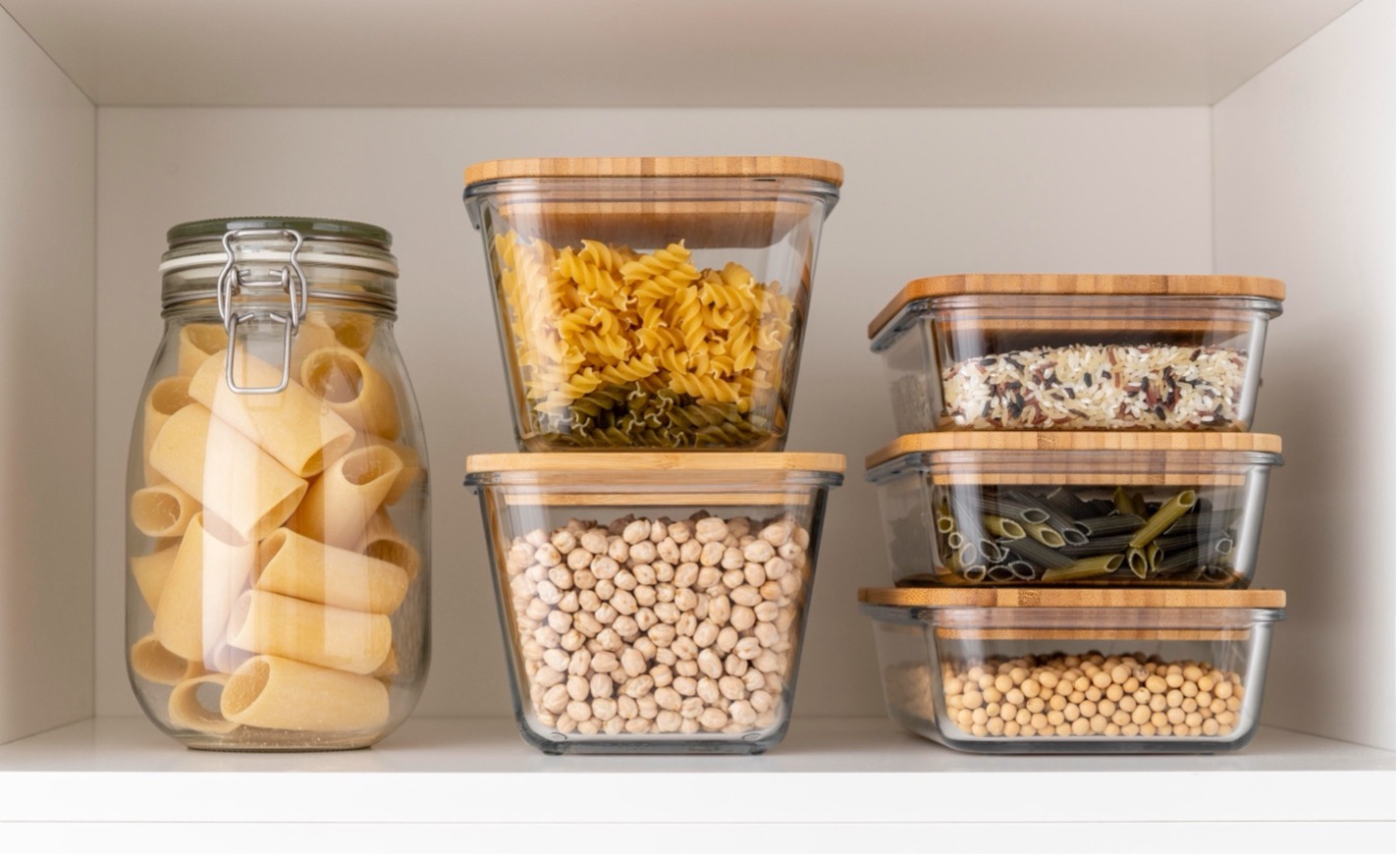
Start with the things you use most often. Swap one or two older plastic food containers for glass or stainless steel alternatives where practical, particularly for heating food. Some plastics may contain chemicals such as BPA, which has been studied for its potential impact on hormonal health. Choosing BPA-free products and avoiding excessive heat exposure can help reduce unnecessary contact with certain plastic-related chemicals. Keep a reusable water bottle by the door and use a proper mug instead of disposable cups when you can. Vacuum and dust regularly to reduce indoor dust.
At work or school
Keep reusable cutlery, a water bottle and a coffee cup in your bag or desk drawer. Pack lunches in reusable containers. Try to reduce single-use wrappers, cling wrap and zip-lock bags where practical.
At the supermarket
Choose loose produce when available. Avoid unnecessary plastic packaging. Buy larger pantry staples if it suits your household. Look for refill options or lower-packaging alternatives.
These are not dramatic lifestyle overhauls. They are small, realistic shifts that can support healthier homes and reduce pressure on the environment.
Microplastics can feel overwhelming because they are difficult to see and almost impossible to avoid completely. But the takeaway should not be fear. It should be awareness.
Research into the long term health impact of microplastics is still developing, particularly around areas such as inflammation, environmental toxins and hormonal health. What we do know is that plastic pollution has become deeply embedded in modern life, which is why more people are paying attention to the products they use, the materials they bring into their homes and the environmental impact of everyday habits.
At HIF, we understand why these conversations matter. Concerns around environmental health, sustainability and long term wellbeing are becoming increasingly important for many Australians, especially as research continues to evolve. While nobody needs to live perfectly or eliminate plastic entirely, small practical changes can still make a difference over time.
Simple habits such as reducing unnecessary single use plastics, choosing reusable containers where practical and being more mindful about food storage or packaging are realistic steps that may help reduce exposure while also supporting a healthier environment. Because sometimes wellbeing is not about dramatic overhauls. It is about the small everyday habits that quietly add up over time.
What are microplastics?
Microplastics are tiny plastic particles, generally less than five millimetres in size. They can come from larger plastic items breaking down or from small particles released by everyday products and materials.
What is plastic pollution?
Plastic pollution refers to plastic waste in the environment. This includes visible waste such as bottles, bags and food packaging, as well as tiny fragments like microplastics.
Are microplastics in food?
Yes, microplastics have been studied in some foods. According to Food Standards Australia New Zealand, microplastics have been reported in foods such as fish, shellfish and honey, although current evidence suggests food-related exposure is unlikely to pose immediate health risks.
Are there microplastics in bottled water?
Microplastics have been detected in drinking water and bottled water in some studies. According to the World Health Organization, more research is needed to understand the health significance of microplastics in drinking water.
Can microplastics affect human health?
Research is still evolving. Scientists are studying whether microplastics may contribute to inflammation, oxidative stress, chemical exposure or other health effects. Current advice from organisations such as Food Standards Australia New Zealand is that immediate food-related health risks are unlikely, but research is ongoing.
What are endocrine disruptors?
Endocrine disruptors are chemicals that may interfere with the body’s hormone system. According to Healthdirect Australia, hormones help regulate important body processes including growth, metabolism and reproduction. Some plastic-related chemicals are being studied for their potential endocrine-disrupting effects.
How can I reduce microplastic exposure?
You can reduce unnecessary exposure by using reusable water bottles, avoiding heating food in plastic containers, choosing less packaged food where practical, reducing single-use plastics and keeping household dust under control.
Can microplastics be avoided completely?
No, not completely. Microplastics are widespread in the environment. However, practical changes can help reduce unnecessary exposure and lower plastic waste.
Why are microplastics a sustainability issue?
Microplastics are linked to broader plastic pollution. They can persist in the environment and contribute to pressure on waterways, wildlife, soil and oceans. Reducing unnecessary plastic use supports healthier environments and more sustainable communities.