Quick links:
Gut health has quickly become one of the biggest wellbeing topics in Australia, and not just because of digestion. Many people notice the effects of poor gut health long before they fully understand what is causing it. It might look like bloating after meals, feeling sluggish throughout the day, struggling with energy dips, or even noticing that stress seems to settle in the stomach before anywhere else.
Research into the gut microbiome continues to grow, with scientists now exploring how gut health may influence areas such as digestion, immunity, mood, sleep and overall wellbeing. Healthdirect explains that gut health is closely linked to the balance of bacteria living within the digestive system, while CSIRO research into the microbiome has highlighted growing interest in the connection between gut health and broader health outcomes.
This growing awareness is also why conversations around fibre, fermented foods, probiotics, plant diversity and the gut-brain connection are becoming far more mainstream. The good news is that supporting gut health does not need to involve restrictive diets, expensive supplements or a complete lifestyle overhaul overnight. In many cases, improving gut health starts with small, consistent habits repeated over time.
In this guide, we will dive into all things gut health, including what the gut microbiome actually is, how everyday habits may influence digestive wellbeing, common signs your gut may need extra support, and practical ways to help improve gut health naturally through food, sleep, movement and daily routine changes.
The gut does far more than process food. It helps break food down, supports nutrient absorption, contributes to immune function and plays a role in how comfortable and energised we feel day to day. Better Health Channel notes that the gut microbiome contains trillions of microorganisms that help support health, while Nutrition Australia highlights the importance of fibre in feeding beneficial gut bacteria.
Everyday routines can influence how the gut feels. A rushed breakfast, a low-fibre lunch, a stressful workday, poor sleep or not drinking enough water can all contribute to digestive discomfort. One meal rarely tells the whole story. More often, gut health reflects the habits that build up across the week.
That is helpful to remember because it means supporting a healthy gut is not about perfection. It is about consistency.
The gut and brain are constantly communicating, which is one reason stress can affect digestion and digestive discomfort can influence mood, focus and overall wellbeing. Many people recognise this connection through everyday experiences such as butterflies before a big meeting, appetite changes during stressful periods or needing the bathroom more often when anxious.
Researchers are continuing to explore how the gut microbiome may influence mental health and emotional wellbeing. The NHMRC has highlighted emerging research into the relationship between gut bacteria and mental health, while ANU has reported on studies investigating how gut health may affect the mind. We also explored this topic in more depth in HIF’s Health Hub article, Is Gut Health the Key to Better Mental Health and Wellbeing?
This does not mean one food, drink or supplement can solve stress or mental health concerns. Health rarely works that neatly. However, it does reinforce the idea that supporting gut health through balanced nutrition, sleep, movement and stress management may play a role in supporting both physical and mental wellbeing.
So, how do you actually improve gut health if it plays such an important role in overall wellbeing?
The good news is that the most effective strategies are usually the simplest and most realistic to stick with. You can begin supporting your gut health through a balanced diet, regular movement, staying hydrated and managing stress where possible.
- That can look like:
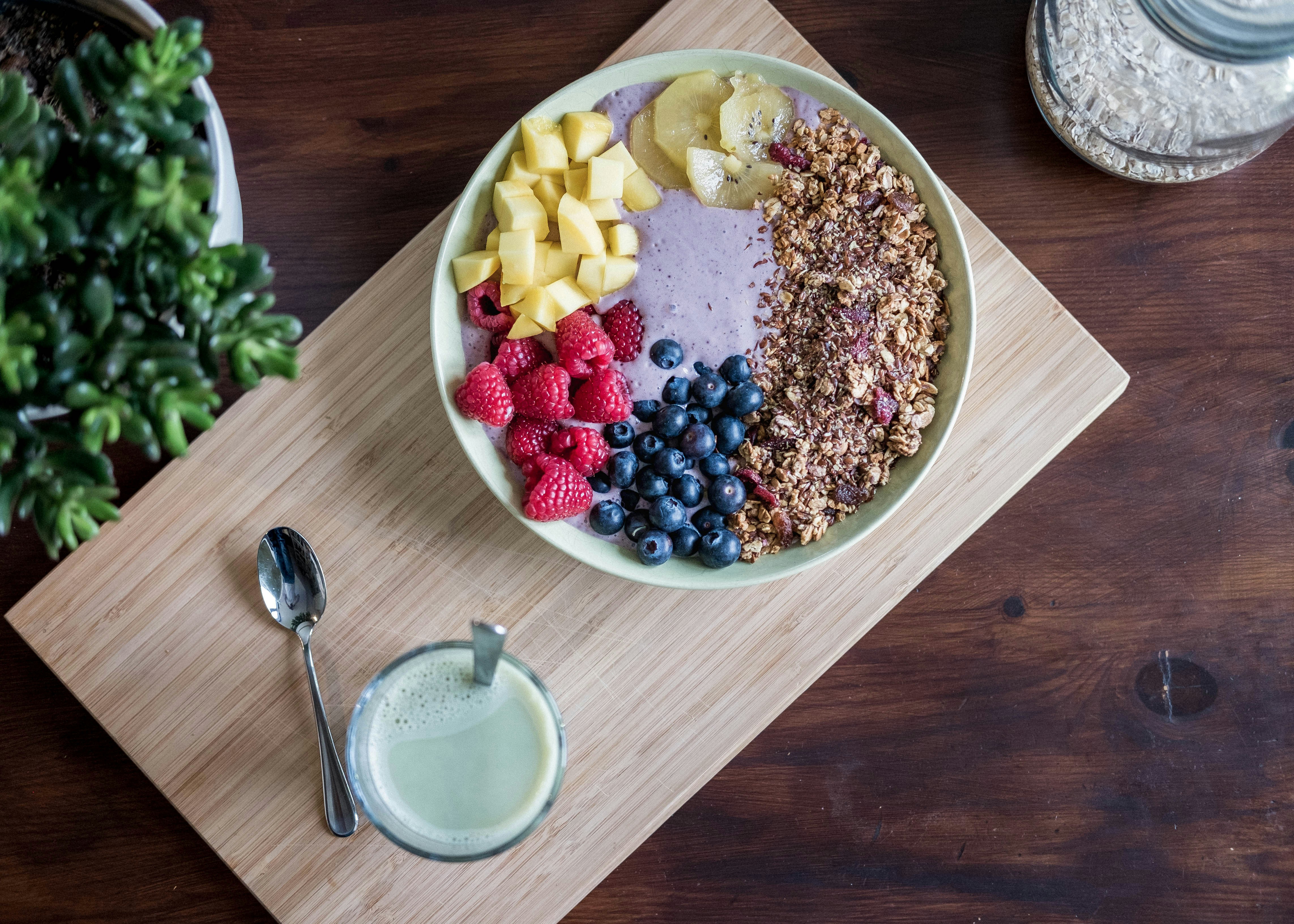
- Eating regular meals instead of skipping breakfast and surviving on coffee (you may get some ideas from our Superfood Breakfast article)
- Adding more fibre-rich foods such as oats, legumes, vegetables and wholegrains
- Including probiotic foods such as yoghurt, kefir, kimchi or sauerkraut, along with prebiotic foods like garlic, onion, bananas and oats that help feed beneficial gut bacteria
- Drinking enough water throughout the day
- Moving your body daily, even if it’s just a short walk after dinner
- Slowing down during meals instead of eating on the go
- Prioritising sleep, especially after stressful or busy periods
- Creating small routines that help manage stress more consistently
None of these habits are particularly glamorous, but that’s also the point. Gut health is usually shaped more by small things you do consistently than by quick fixes or one-off wellness trends.
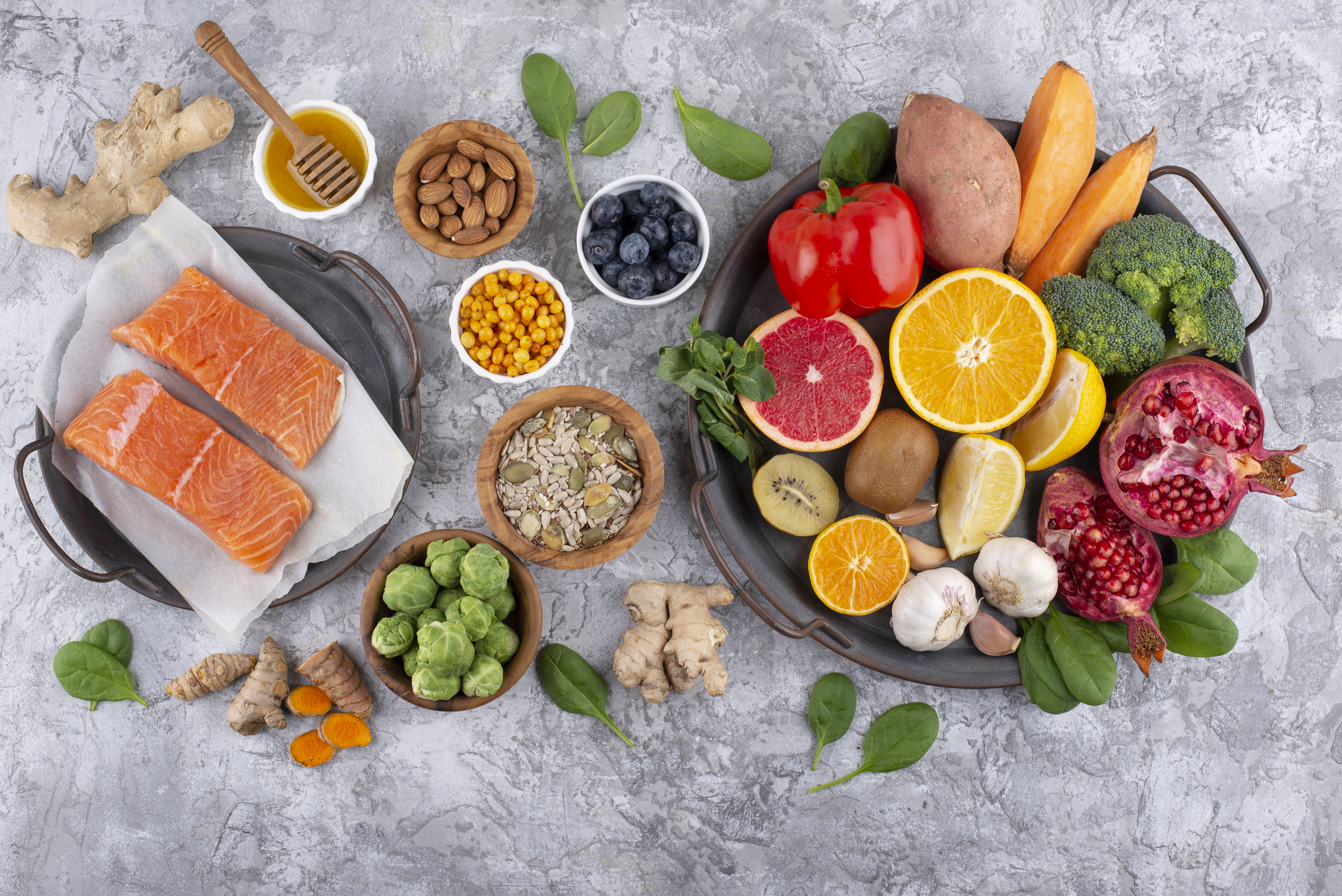
Gut health foods do not need to be expensive, complicated or hidden in the wellness aisle. Many of the best foods for gut health are everyday staples you can easily add into meals you already eat.
A gut health-friendly diet can include:
- Rolled oats, Weet-Bix or wholegrain cereals
- Wholegrain bread, brown rice, quinoa, barley or wholemeal pasta
- Lentils, chickpeas, black beans and four bean mix
- Apples, pears, bananas, kiwi fruit and berries
- Leafy greens, broccoli, carrots, onions, garlic and sweet potato
- Natural yoghurt, probiotic yoghurt or kefir
- Nuts and seeds such as chia, flaxseed, almonds and walnuts
- Fermented foods such as sauerkraut, kimchi, miso and kombucha
In practice, this can be as simple as adding chia seeds and kefir to overnight oats, throwing lentils into soups or pasta sauces, adding sauerkraut to sandwiches or bowls, or swapping white bread and rice for wholegrain options where possible. Even small changes can help increase fibre and support a more diverse gut microbiome over time.
The University of Sydney highlights the importance of nutrition in microbiome research, while Nutrition Australia lists fibre-rich and fermented foods as helpful options for supporting gut health.
Specialty products may have their place, but they are not the only starting point. A tub of yoghurt, a bag of oats, a tin of lentils and a few extra vegetables can do a lot of quiet good without needing a wellness label.
Why Simple Does Not Mean Simplistic
Gut health is sometimes marketed online as though there is one magic answer. TikTok tells you a certain powder, greens drink or morning tonic is essential for gut health, while YouTube insists another supplement is something you absolutely cannot live without. It can quickly start to feel like everyone has a different “must-have” routine and that you are somehow falling behind if your fridge is not stocked with kombucha, collagen and ten different probiotics. The reality is much less dramatic and a lot more practical.
For most people, good gut health is supported by variety, consistency and balance over time. It is not about removing entire food groups unless medically advised, and it is not about relying on one probiotic drink while the rest of the diet is low in fibre and lacking variety.
In many cases, the basics still matter most: eating enough fibre, drinking water, moving regularly, getting sleep and eating a wide range of foods consistently.
Some common myths include:
| Myth | Reality |
| You need expensive supplements to improve gut health. | Many people benefit more from focusing first on fibre, food variety, hydration, movement and sleep. |
| Cutting out gluten or dairy is automatically healthier. | Unless there is a medical reason or intolerance, unnecessary restriction can sometimes reduce dietary variety. |
| A probiotic can make up for a low-fibre diet. | Probiotics may help some people, but beneficial gut bacteria still need fibre-rich foods to thrive. |
| High-protein automatically means gut-friendly. | Protein matters, but fibre often deserves more attention than it gets. |
The Australian Dietary Guidelines recommend eating a wide variety of nutritious foods, including vegetables, fruit, grains, lean proteins and dairy or alternatives. It may not be flashy advice, but there is a reason it continues to come up in nutrition guidance again and again: it provides a strong foundation that is realistic, sustainable and supported by evidence.
At HIF, we believe wellbeing should feel realistic, approachable and flexible enough to fit into everyday life. Improving gut health does not need to mean cutting out entire food groups, following strict wellness trends or completely changing your routine overnight.
Often, the most sustainable changes are the small ones you can actually stick with. That might look like adding oats and yoghurt to breakfast, choosing wholegrain options more often, including more fibre-rich foods like beans or lentils in meals, taking a short walk after dinner, or simply trying to get back into a more consistent sleep routine.
Gut health is also not one-size-fits-all. What works for one person may not work for another, which is why a balanced and inclusive approach to health matters.
Through the HIF Health Hub, we share practical wellbeing information across nutrition, movement, mental health and healthy living to help Australians make informed choices that work for their own lifestyle and goals. Eligible members may also be able to access additional support through HIF’s Health & Wellbeing Programs.
When it comes to gut health, consistency matters more than perfection. Small habits repeated over time can often have a bigger long-term impact than short-lived health kicks or overly restrictive routines.
What is gut health?
Gut health refers to how well the digestive system functions and how balanced the gut microbiome is. The gut microbiome is the community of microorganisms living in the digestive system. These microorganisms play a role in digestion, nutrient absorption, immune function and broader wellbeing.
What are the best foods for gut health?
The best foods for gut health are usually fibre-rich, varied and easy to include regularly. Everyday examples include oats, wholegrains, beans, lentils, vegetables, fruit, nuts, seeds, yoghurt and kefir. Fermented foods such as sauerkraut, kimchi, miso and kombucha may also support gut health when they contain live cultures.
How do you improve gut health naturally?
You can support gut health naturally by focusing on consistent daily habits. These include eating a varied diet, increasing fibre intake, drinking enough water, moving regularly, getting enough sleep and managing stress where possible. Small changes are often more sustainable than strict plans.
What are good gut health foods to buy at the supermarket?
Good supermarket staples include rolled oats, wholegrain bread, brown rice, wholemeal pasta, tinned lentils, chickpeas, beans, frozen berries, bananas, apples, leafy greens, broccoli, carrots, sweet potato, natural yoghurt, kefir, nuts and seeds. These foods are accessible, versatile and easy to add to everyday meals.
Can stress affect gut health?
Yes. Stress can affect digestion through the gut-brain connection. Some people notice bloating, appetite changes, stomach discomfort or changes in bowel habits during stressful periods. Supporting stress, sleep and regular meals can all form part of a gut-friendly routine.
How long does it take to improve gut health?
There is no single timeline. Some people may notice changes in comfort or regularity within a short period, while broader gut health improvements are usually best viewed as long-term lifestyle support. Consistency matters more than quick fixes.
What does a healthy gut feel like?
A healthy gut may feel like more comfortable digestion, less bloating, regular bowel habits and steadier energy. However, ongoing pain, blood in stools, unexplained weight loss or major changes in bowel habits should be discussed with a GP or healthcare professional.
Do I need probiotics for good gut health?
Not necessarily. Probiotics may be useful for some people, but they are not essential for everyone. A varied, fibre-rich diet is often the best place to start. If you are considering probiotics for a specific health concern, it is worth speaking with a healthcare professional.
Are gut health powders worth it?
Some gut health powders may be useful in specific situations, but they are not a replacement for a balanced diet and healthy lifestyle habits. Before relying on supplements, it is worth focusing on fibre, food variety, hydration, sleep, movement and stress support.
How can I fix gut health if my routine is busy?
Start with changes that fit your current routine. Add fruit to breakfast, choose wholegrain options, keep tinned legumes on hand, drink more water, take short walks and aim for regular meals. A healthy gut does not require a perfect routine. It benefits from simple habits done often.