Quick links:
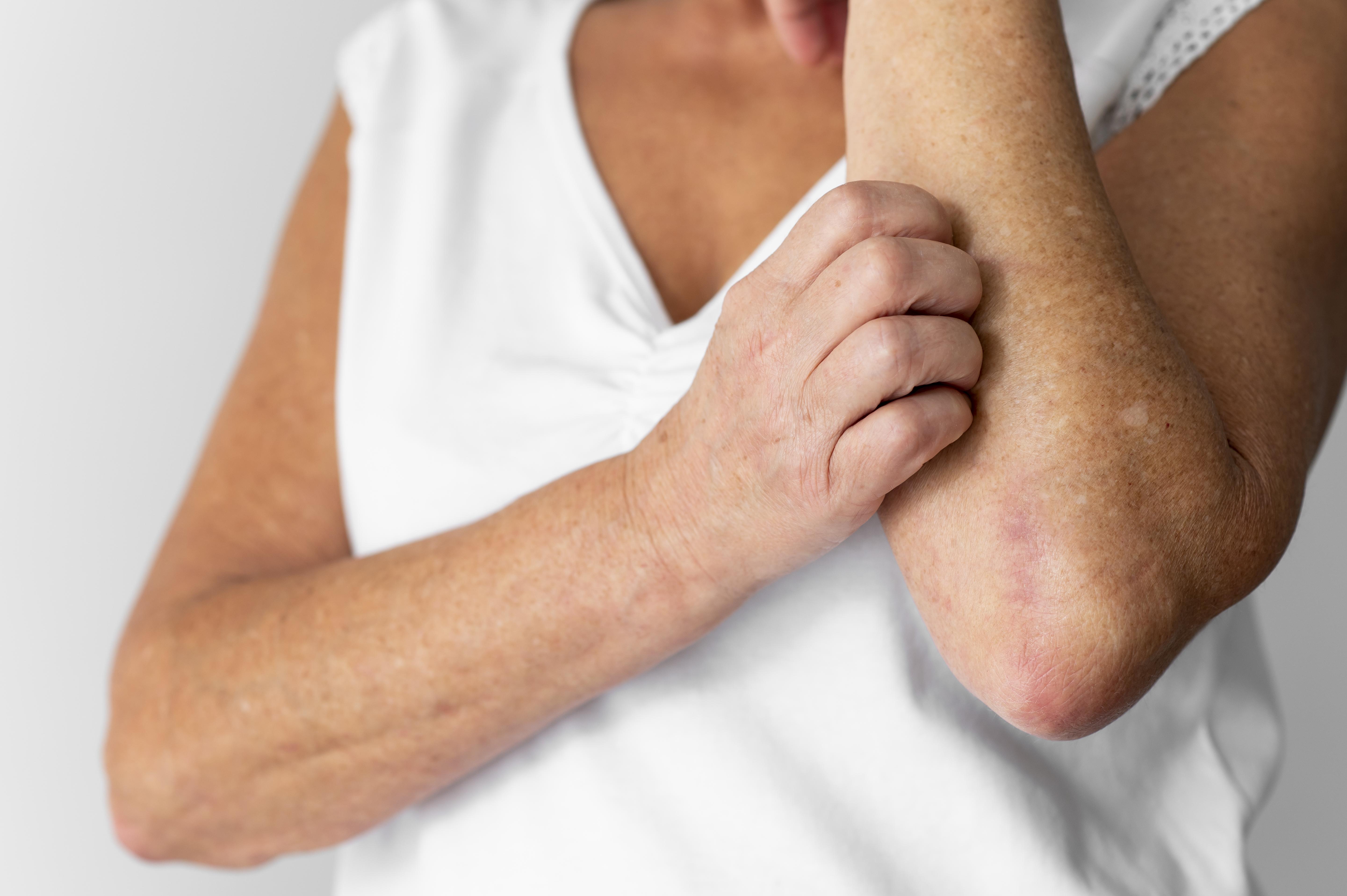
Many people experience skin irritation at some point in their lives. It may present as dryness, redness, itching or patches of inflamed skin that do not seem to settle. These symptoms are often dismissed as sensitive skin or a short-term reaction. In reality, they can sometimes indicate dermatitis.
According to the Australasian College of Dermatologists, dermatitis is a common skin condition that can affect people of all ages. While symptoms may appear mild at first, dermatitis can become persistent and uncomfortable, particularly when flare-ups are frequent or visible. For some people, it is not only physically uncomfortable but also emotionally frustrating, affecting confidence, sleep and overall wellbeing.
Dermatitis is more than dry or itchy skin. It can involve inflammation, cracking, swelling, pain and sensitivity that interferes with everyday life. Understanding what dermatitis is, how it differs from eczema, and how it can be managed is an important step in feeling more confident about skin health.
In this article we will dive into what dermatitis is, outlines the different types, clarifies common terminology, and explores how dermatitis can affect both physical comfort and mental wellbeing. It also provides guidance on management and explains when professional support may be helpful, with HIF positioned as a supportive partner in navigating ongoing skin conditions.
Dermatitis is a general medical term used to describe inflammation of the skin. Rather than referring to a single condition, it covers a group of related skin conditions that share similar symptoms.
According to the Australasian College of Dermatologists, common symptoms of dermatitis can include redness, itching, dryness, swelling, flaking, cracking or a burning sensation. The severity of symptoms varies widely between individuals and may change over time.
Dermatitis can be triggered by several factors. According to Healthdirect Australia, common triggers include contact with irritants or allergens such as soaps, detergents, fragrances, metals or plants. Genetics can also play a role, particularly for people with a personal or family history of allergies, asthma or eczema. In some cases, the immune system reacts more strongly to environmental factors, leading to inflammation. Stress, weather changes, infections and hormonal changes may also contribute to flare-ups.
Importantly, dermatitis is not contagious. It cannot be spread from person to person. However, for some people it can be chronic or recurring, meaning symptoms may come and go over time rather than resolving completely.
The terms dermatitis and eczema are often used interchangeably, which can be confusing. While they are closely related, they are not always the same thing.
According to Allergy Facts Australia, dermatitis is an umbrella term that refers to inflammation of the skin, while eczema usually refers to a specific group of dermatitis conditions. The most common of these is atopic dermatitis.
Atopic dermatitis is a type of eczema and sits within the broader category of dermatitis. However, not all forms of dermatitis are classified as eczema. Conditions such as contact dermatitis or seborrheic dermatitis are types of dermatitis but are not always labelled as eczema.
This overlap in terminology explains why healthcare professionals may use different terms when discussing diagnosis or treatment. Understanding the distinction can help people feel more informed and confident when talking about their skin health with medical professionals.
Dermatitis can present differently depending on the type and the individual. Triggers, severity and treatment responses vary, and experiences are rarely the same from person to person.
Atopic dermatitis is the most common form of dermatitis and often begins in childhood, although it can continue into adulthood or develop later in life.
Atopic dermatitis is commonly associated with other allergic conditions such as asthma and hay fever. Symptoms often include persistent itching, very dry or cracked skin, and recurring flare-ups.
The Royal Children’s Hospital notes that flare-ups may worsen during periods of stress, illness or changes in weather, particularly in cold or dry conditions. Repeated scratching can damage the skin barrier and increase the risk of infection.
Perioral dermatitis typically affects the skin around the mouth and sometimes the nose or eyes.
It often appears as small red bumps or a rash and may be mistaken for acne or rosacea. This can make diagnosis more challenging.
Because it affects the face, perioral dermatitis can be particularly distressing. Burning or stinging sensations are common, and triggers may include prolonged use of topical steroid creams and certain skincare or cosmetic products.
Seborrheic dermatitis commonly affects areas of the body that produce more oil, including the scalp, face, ears and chest.
Symptoms may include flaking or dandruff, red or inflamed patches, and itching or sensitivity. This condition is often long term, with symptoms that fluctuate over time.
While seborrheic dermatitis can be persistent, it is generally manageable with appropriate care and treatment. Stress, fatigue and cold weather may contribute to flare-ups.
Dermatitis herpetiformis is a rare but intensely itchy form of dermatitis linked to coeliac disease and gluten sensitivity.
It often presents as clusters of small blisters or bumps, commonly on the elbows, knees, scalp or buttocks. Diagnosis and management require medical assessment and dietary intervention.
Living with a chronic skin condition can raise understandable questions about long-term skin health, including whether ongoing inflammation or treatment may increase the risk of skin cancer.
According to a large systematic review and meta-analysis published in JAMA Dermatology, people with atopic dermatitis may have a slightly increased risk of certain non-melanoma skin cancers, particularly basal cell carcinoma and squamous cell carcinoma. The review found that this increase in risk was modest and does not mean that dermatitis itself causes skin cancer.
The authors suggest the association is likely influenced by factors such as chronic skin inflammation, long-term disruption of the skin barrier, increased medical monitoring, and in some cases the prolonged use of treatments that affect immune responses.
A separate systematic review published in Dermatology and Therapy supports these findings, noting that disease severity and treatment history appear to play an important role. However, both reviews report inconsistent evidence linking dermatitis to melanoma, with no clear conclusion that risk is increased.
The Australasian College of Dermatologists and the Cancer Council Australia emphasise that having dermatitis does not mean someone will develop skin cancer. Factors such as sun exposure, skin type, genetics, and personal medical history remain the most significant influences on skin cancer risk. At HIF, we understand that concerns about skin changes can feel worrying. Through our Skin Vision partnership, we help members access professional skin checks and guidance, supporting early assessment and ongoing skin health confidence.
Dermatitis can affect more than just the skin. Ongoing itching, discomfort and visible flare-ups can influence daily routines, sleep quality and emotional wellbeing.
Persistent symptoms may lead to fatigue, reduced concentration and frustration. Visible dermatitis can affect confidence and self-image, particularly when it affects the face or hands. Stress can also worsen flare-ups, creating a cycle that can be difficult to manage.
HIF recognises the connection between physical and mental health and supports members through its mental health and wellbeing programs.
Managing Dermatitis – What Can Help
Managing dermatitis often involves a combination of self-care strategies and professional guidance.
According to Healthdirect Australia, identifying and avoiding known triggers can help reduce flare-ups. Gentle skincare routines, fragrance-free products and regular moisturising can support the skin barrier and reduce irritation.
Moisturising remains important even when symptoms are not active. In some cases, healthcare professionals may recommend medical treatments to manage inflammation and discomfort.
HIF Health Hub provides practical guidance through articles such as Simple measures to manage dermatitis and Ten tips for healthy skin.
Professional assessment may be needed for severe or persistent flare-ups, signs of infection, or symptoms that interfere with sleep or mental wellbeing.
Skin conditions in children that do not improve or worsen should be assessed early. Early intervention can help improve comfort and support better long-term outcomes.
Living with dermatitis can be exhausting, especially when symptoms flare without warning or linger longer than expected. It can affect comfort, confidence, sleep, and day to day life, not just skin.
When things feel overwhelming, taking the step to talk to a GP can be a helpful place to start. A GP can help assess symptoms, explore treatment options, and guide next steps if specialist care is needed.
At HIF, we support members through access to medical services and treatment pathways that can help manage both short term flare ups and longer term skin conditions. Depending on cover, this may include access to skin related clinical categories and hospital treatment options.
Our focus is on giving members clear information, practical access to care, and ongoing support, so managing skin health feels more manageable and less isolating.
What is dermatitis and what causes it?
Dermatitis is a general term used to describe inflammation of the skin. Symptoms can include redness, itching, dryness, swelling or discomfort, and they can vary in severity.
Dermatitis can be triggered by a range of factors. According to Healthdirect Australia, common causes include contact with irritants or allergens such as soaps, detergents, metals or fragrances. Genetics, immune responses, environmental factors, weather changes and stress can also play a role.
What is the difference between dermatitis and eczema?
Dermatitis is an umbrella term that refers to skin inflammation. Eczema usually refers to atopic dermatitis, which is the most common type of dermatitis.
Is dermatitis a long-term condition?
For some people, dermatitis is a long-term or recurring condition, with periods of flare-ups and improvement. For others, it may be temporary and resolve once triggers are identified and managed.
According to the Australasian College of Dermatologists, long-term management often focuses on reducing triggers, supporting the skin barrier, and managing flare-ups early to minimise discomfort.
Can stress make dermatitis worse?
Yes. Stress can play a significant role in triggering or worsening dermatitis symptoms. Stress can affect the immune system and skin barrier, making flare-ups more likely or more severe.
At HIF we recognise the close connection between physical and mental wellbeing and support our members through our mental health and wellbeing programs, which can be helpful when managing chronic conditions such as dermatitis.
Is there a link between dermatitis and skin cancer?
Research suggests there may be a small association between atopic dermatitis and certain non-melanoma skin cancers, such as basal cell carcinoma and squamous cell carcinoma. This link is thought to be influenced by factors like long-term skin inflammation, disruption of the skin barrier, and in some cases prolonged use of treatments that affect immune responses.
Importantly, having dermatitis does not mean someone will develop skin cancer. Most people with dermatitis never do. The Australasian College of Dermatologists and the Cancer Council Australia both highlight that sun exposure, skin type, genetics, and personal medical history remain the strongest influences on skin cancer risk.
When should I see a doctor for dermatitis?
It is recommended to seek professional advice if dermatitis symptoms are severe, persistent, becoming infected, or interfering with sleep or daily life. Medical assessment is also important if symptoms are worsening despite treatment or if a skin condition in a child does not improve.